
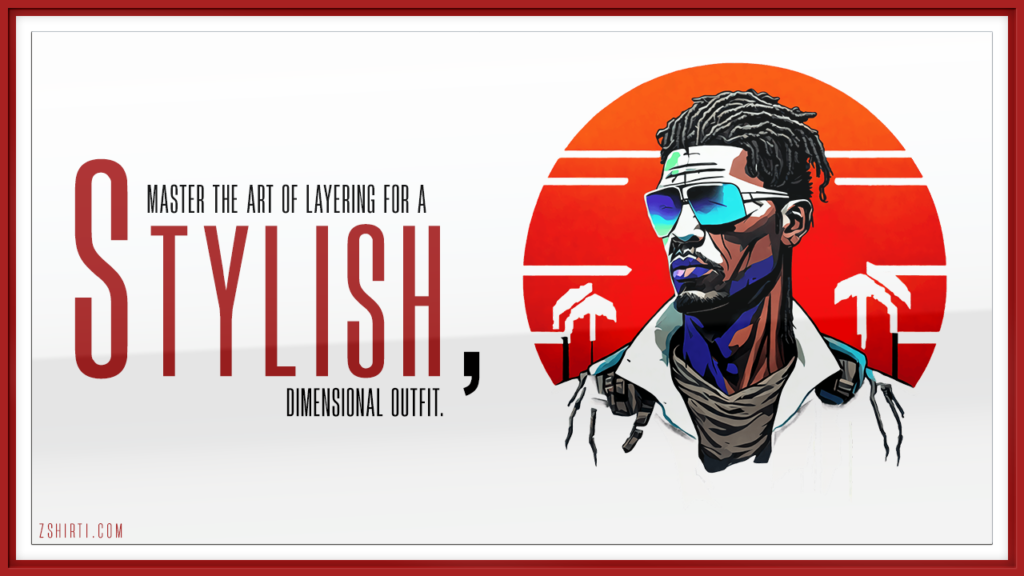
Layering has become a popular trend in the fashion world, allowing individuals to create unique and stylish outfits by combining different pieces of clothing. Whether it’s layering a sweater over a button-down shirt or adding a jacket to complete a look, layering adds depth and dimension to an outfit. In this blog post, we will explore the art of layering and provide tips and tricks for mastering this fashion technique. From understanding the basics of layering to creating harmonious outfits with color coordination, we will cover everything you need to know to pull off the perfect layered look.
Key Takeaways
- Layering is all about building a solid foundation with basic pieces.
- Mixing textures is key to creating a cohesive, layered look.
- Playing with proportions can help create a flattering silhouette.
- Color coordination is important for creating harmonious outfits with layering.
- Layering outerwear can add depth and interest to your look.
Understanding the Basics of Layering: How to Build a Solid Foundation
When it comes to layering, it’s important to start with a solid foundation. This means choosing the right base layer that will serve as the starting point for your outfit. A base layer can be a simple t-shirt, a tank top, or even a lightweight sweater. The key is to choose something that fits well and is comfortable to wear.
Once you have your base layer, you can start building on it with additional layers. This can include adding a cardigan, a blazer, or even a vest. The key is to choose layers that complement each other and add visual interest to your outfit. For example, you can pair a chunky knit sweater with a lightweight blazer for a stylish and cozy look.
The Art of Mixing Textures: Combining Different Fabrics for a Cohesive Look
One of the keys to successful layering is mixing textures. By combining different fabrics, you can create a cohesive look that adds depth and visual interest to your outfit. For example, you can pair a silk blouse with a leather jacket for a chic and edgy look.
When mixing textures, it’s important to choose fabrics that work well together. Some fabrics that pair well include denim and lace, wool and silk, and leather and chiffon. The key is to choose fabrics that have contrasting textures, such as by pairing a smooth fabric with a textured one.
To balance textures, it’s important to consider the weight and thickness of the fabrics. For example, if you’re wearing a chunky knit sweater, you can balance it out with a lightweight silk scarf. This will create a visually appealing contrast and add dimension to your outfit.
Playing with Proportions: How to Layer Different Lengths for a Flattering Silhouette
Playing with proportions is another important aspect of layering. By layering different lengths, you can create a flattering silhouette that highlights your best features. For example, if you have long legs, you can layer a shorter jacket over a longer top to draw attention to your legs.
When layering different lengths, it’s important to consider the overall balance of your outfit. For example, if you’re wearing a long cardigan, you can balance it out with a shorter skirt or pants. This will create a visually appealing contrast and prevent your outfit from looking overwhelming.
To balance proportions, it’s also important to consider the fit of your clothing. For example, if you’re wearing a loose-fitting top, you can balance it out with a more fitted jacket or blazer. This will create a flattering silhouette and prevent your outfit from looking shapeless.
Color Coordination: Creating Harmonious Outfits with Layering
Color coordination is an essential aspect of layering. By choosing colors that work well together, you can create a harmonious and cohesive look. When it comes to color coordination, there are several tips to keep in mind.
Firstly, consider the color wheel. Colors that are opposite each other on the color wheel, such as blue and orange or red and green, are complementary and work well together. You can use this knowledge to create interesting color combinations in your layered outfits.
Secondly, consider the tone of the colors. Colors that have the same undertone, such as warm or cool tones, tend to work well together. For example, you can pair a warm-toned camel sweater with a cool-toned navy blazer for a stylish and balanced look.
Lastly, consider the overall balance of your outfit. If you’re wearing a bold and vibrant color as your base layer, you can balance it out with more neutral and subdued colors for your additional layers. This will create a visually appealing contrast and prevent your outfit from looking overwhelming.
Layering Outerwear: How to Add Depth to Your Look with Jackets and Coats
Layering outerwear is a great way to add depth and dimension to your look. By adding jackets and coats to your outfit, you can create a stylish and functional ensemble that is perfect for colder weather.
When it comes to choosing outerwear, it’s important to consider the style and fit. For example, if you’re wearing a fitted dress, you can pair it with a tailored blazer or a cropped leather jacket. This will create a flattering silhouette and add visual interest to your outfit.
Additionally, consider the length of your outerwear. If you’re wearing a long coat or jacket, you can balance it out with shorter layers underneath. This will create a visually appealing contrast and prevent your outfit from looking overwhelming.
To balance outerwear, it’s also important to consider color coordination. For example, if you’re wearing a bold and vibrant coat, you can balance it out with more neutral and subdued colors for your additional layers. This will create a visually appealing contrast and prevent your outfit from looking too busy.
Layering Accessories: Adding Interest with Scarves, Hats, and Jewelry
Layering accessories is another great way to add interest to your outfit. By adding scarves, hats, and jewelry, you can create a stylish and personalized look that reflects your individual style.
When it comes to choosing accessories, it’s important to consider the overall balance of your outfit. For example, if you’re wearing a statement necklace, you can balance it out with more subtle and delicate earrings. This will create a visually appealing contrast and prevent your outfit from looking overwhelming.
Additionally, consider the color coordination of your accessories. If you’re wearing a bold and vibrant scarf, you can balance it out with more neutral and subdued colors for your clothing. This will create a visually appealing contrast and prevent your outfit from looking too busy.
To balance accessories, it’s also important to consider scale and proportion. For example, if you’re wearing a wide-brimmed hat, you can balance it out with more delicate and dainty jewelry. This will create a visually appealing contrast and prevent your outfit from looking too heavy.
Layering for Different Occasions: From Casual to Formal
Layering is a versatile technique that can be adapted for different occasions. Whether you’re dressing for a casual day out or a formal event, layering can help you create a stylish and appropriate outfit.
When it comes to layering for casual occasions, it’s important to keep it simple and relaxed. You can start with a basic t-shirt or tank top as your base layer and add a lightweight cardigan or denim jacket for added warmth. Pair this with jeans or leggings for a comfortable and stylish look.
When it comes to layering for formal occasions, it’s important to choose more structured and tailored pieces. You can start with a fitted blouse or dress as your base layer and add a blazer or tailored coat for added sophistication. Pair this with tailored pants or a skirt for a polished and elegant look.
Layering for Different Seasons: How to Adapt Your Style to the Weather
Layering is not only versatile in terms of occasions but also in terms of seasons. Whether you’re dressing for colder weather or warmer weather, layering can help you adapt your style to the weather.
When it comes to layering for colder weather, it’s important to focus on warmth and insulation. You can start with a thermal or wool base layer and add a sweater or cardigan for added warmth. Layer this with a coat or jacket, and finish off with a scarf, hat, and gloves for maximum protection against the cold.
When it comes to layering for warmer weather, it’s important to focus on breathability and comfort. You can start with a lightweight and breathable base layer, such as a cotton or linen top. Add a lightweight cardigan or kimono for added style and versatility. Pair this with shorts or a skirt for a cool and comfortable look.
Layering for Different Body Types: Tips for Flattering Your Figure
Layering is a great technique for flattering different body types. By strategically layering different pieces of clothing, you can create a balanced and proportionate silhouette that highlights your best features.
When it comes to layering for different body types, there are several tips to keep in mind. For example, if you have an hourglass figure, you can emphasize your waist by adding a belt over your layers. This will create a visually appealing contrast and highlight your curves.
If you have a pear-shaped figure, you can balance out your proportions by adding volume to your upper body. This can be achieved by adding layers, such as a statement jacket or a chunky knit sweater. Pair this with more fitted bottoms to create a balanced and proportionate silhouette.
If you have an apple-shaped figure, you can create the illusion of a defined waist by adding layers that cinch in at the waist. This can be achieved by adding a belted cardigan or a wrap dress. Pair this with more fitted bottoms to create a balanced and proportionate silhouette.
Mastering the Art of Layering: Pulling off the Perfect Look with Confidence
Mastering the art of layering takes practice and experimentation. The key is to have fun with your style and be confident in your choices. Here are some additional tips for mastering the art of layering:
Experiment with different combinations of clothing and accessories to find what works best for you.
Don’t be afraid to mix patterns and prints for a bold and unique look.
Layering doesn’t have to be limited to clothing. You can also layer jewelry, such as stacking bracelets or layering necklaces, for added interest.
Pay attention to the fit of your clothing. Well-fitting layers will create a more polished and put-together look.
Don’t be afraid to break the rules and try new things. Fashion is all about self-expression, so embrace your individual style and have fun with it.
Layering is a popular trend in fashion that allows individuals to create unique and stylish outfits. By understanding the basics of layering, mixing textures, playing with proportions, coordinating colors, adding outerwear and accessories, and adapting to different occasions, seasons, and body types, you can master the art of layering and pull off the perfect look with confidence. So go ahead, experiment with layering, and have fun with your style!
FAQs
What is layering in fashion?
Layering in fashion refers to the technique of wearing multiple pieces of clothing on top of each other to create a stylish and dimensional outfit.
What are the benefits of layering?
Layering allows you to mix and match different pieces of clothing to create unique and interesting combinations. It also adds depth and dimension to your outfit, making it more visually appealing.
What are some tips for layering?
When layering, it’s important to mix textures, lengths, and colors to create a cohesive look. Start with a base layer, such as a tank top or t-shirt, and then add layers on top. Play with proportions by mixing longer pieces with shorter ones.
What are some examples of layering?
Examples of layering include wearing a denim jacket over a sweater, layering a turtleneck under a blazer, or pairing a long cardigan with a midi dress.
What types of clothing are best for layering?
Clothing that is lightweight and versatile, such as t-shirts, tank tops, cardigans, and jackets, is great for layering. Avoid bulky or heavy pieces that can make you look bulky.
Can layering work for any body type?
Yes, layering can work for any body type. It’s all about finding the right pieces that flatter your body and experimenting with different combinations to find what works best for you.
[simple-author-box]
Rooms
Lorem ipsum dolor sit amet, consectetur adipiscing elit. Curabitur fermentum odio feugiat, porta ante maximus, convallis ligula.
More infoFacilities
Lorem ipsum dolor sit amet, consectetur adipiscing elit. Curabitur fermentum odio feugiat, porta ante maximus, convallis ligula.
More infoRates
Lorem ipsum dolor sit amet, consectetur adipiscing elit. Curabitur fermentum odio feugiat, porta ante maximus, convallis ligula.
More infoDISCLOSURE:
Posts may contain affiliate links. If you buy something through one of those links, I might get a small commission without any extra cost.